MS Dhoni And The Unheard Toss Story That Rocked 2011 World Cup Final – MS Dhoni, Kumar Sangakkara, and the 2011 World Cup Toss Controversy
Contents
A Familiar Sight on the Cricket Field
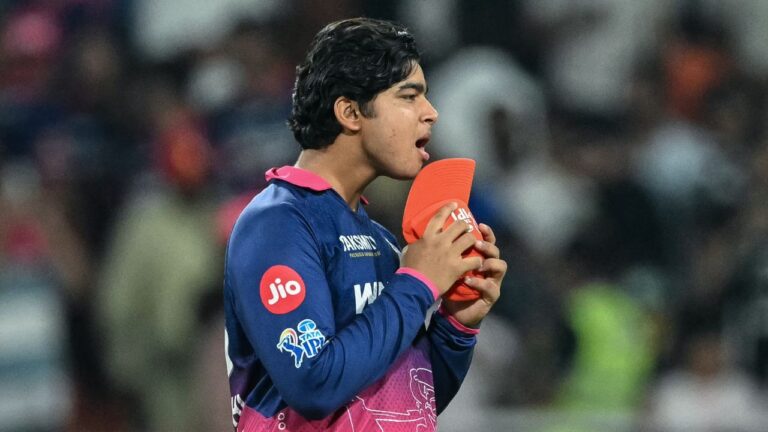
In the high-pressure environment of professional cricket, every detail matters. However, sometimes the most crucial moments occur before a single delivery is even bowled. Recently, during the IPL 2026 Qualifier 2 in New Chandigarh, a bizarre incident unfolded when match officials ordered a re-spin of the coin because Rajasthan Royals captain Riyan Parag’s call was deemed not loud enough. For long-time cricket enthusiasts, this moment served as a strange echo of one of the most confusing spectacles in the history of the sport: the 2011 ICC Cricket World Cup final.
The 2011 World Cup Final: An Unprecedented Toss
On April 2, 2011, the Wankhede Stadium in Mumbai was the center of the sporting world. India and Sri Lanka were set to lock horns for the ultimate prize. As MS Dhoni and Kumar Sangakkara walked out to the middle alongside commentator Ravi Shastri, the atmosphere was electric. But as the coin hit the ground, the situation turned from anticipation to confusion.
The coin fell, and it was widely observed as heads. However, the officials on the field claimed that they had not clearly heard Kumar Sangakkara’s call. In a move that shocked fans across the globe, the first toss was declared null and void. The officials mandated that the toss be repeated. In the second attempt, Sangakkara called heads once again, the coin fell in his favor, and he elected to bat. The incident became a massive point of contention, with broadcast replays later confirming that the Sri Lankan captain had indeed made an audible call during the first attempt.
Connecting the Dots: 2011 and 2026
The parallels between the 2011 final and the 2026 IPL Qualifier 2 are striking. In both instances, the match officials intervened to force a repeat of the toss, citing poor volume from the calling captain. Interestingly, Ravi Shastri, who served as the commentator for the 2011 final, was also present during the 2026 incident. Perhaps the most poetic connection is that Kumar Sangakkara, the man at the center of the 2011 confusion, currently serves as the head coach for the Rajasthan Royals, the team involved in the recent re-spin.
The Outcome That Defined History
While the toss controversy in 2011 threatened to cast a shadow over the proceedings, it ultimately became a mere footnote in a historic narrative. India, chasing a competitive total, held their nerve. The night is forever etched in the memories of cricket fans for MS Dhoni’s iconic match-winning six off Nuwan Kulasekara, a shot that ended India’s 28-year wait for a World Cup trophy.
The victory was so overwhelming and the celebration so profound that the initial confusion at the toss quickly faded. It serves as a reminder that in cricket, while officials strive for perfection, it is the performance on the field that ultimately writes history. As the IPL 2026 season continues to provide its own share of drama, the echoes of the 2011 final serve as a testament to how even the most unusual events become part of the sport’s rich tapestry.
Why These Moments Matter
Occurrences like these highlight the immense pressure placed on match officials to be accurate in front of millions of viewers. While the “not loud enough” rule might seem trivial to the average spectator, it ensures that the integrity of the game is maintained, even if the execution invites scrutiny. Whether it is a World Cup final or an IPL Qualifier, the coin toss remains a simple yet profound ritual that marks the beginning of a battle, and occasionally, a story worth retelling.

Related Articles