Mitchell fifty guides New Zealand’s lead past 400
The fourth morning at The Oval began with high intensity as England looked to make early inroads and New Zealand sought to bat the hosts out of the contest. Jofra Archer, spearheading the English attack, was lively from his very first delivery. He almost tasted immediate success when he induced an edge from the overnight batsman, but Harry Brook could not hold onto a spectacular, diving effort at slip. However, Archer did not have to wait long to make amends.
Contents
Archer’s Early Threat and Nicholls’ Departure
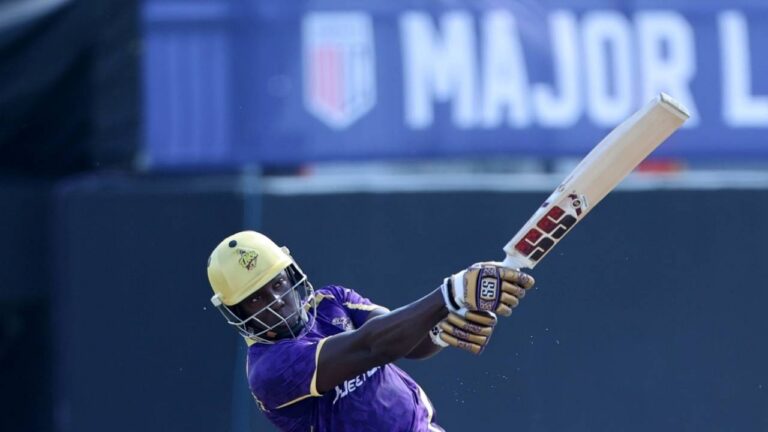
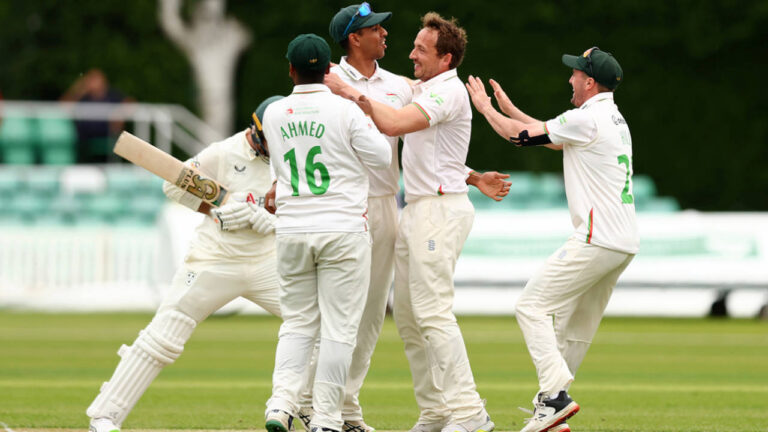
Just one over later, with Brook repositioned to second slip, Archer produced another testing delivery. This time, Brook made no mistake, safely pouching a much simpler opportunity to dismiss the centurion Henry Nicholls for a well-played 121. Nicholls’ departure was a crucial breakthrough for England, but it did not halt New Zealand’s momentum for long. Daryl Mitchell, who had survived the early testing spell, began to assert his authority. He targeted England’s spinner Joe Root, striking three elegant boundaries in a single over to bring up his half-century and stamp his authority on the session.
A Historic Milestone for Mitchell and Blundell
Following the dismissal of Nicholls, Tom Blundell joined Mitchell at the crease. The duo played with caution and intent, frustrating the English bowlers who were searching for quick wickets. During their brief but significant 29-run partnership, Mitchell and Blundell etched their names into the record books. They became the first New Zealand pair to score 1000 partnership runs in Test matches against England, underlining their resilience and chemistry against this particular opposition over the years.
However, just as the partnership looked set to flourish further, an unusual dismissal broke the stand. Joe Root, bowling his off-spin, managed to find the edge of Blundell’s bat. Root initially juggled the catch at leg slip, but wicketkeeper James Rew showed great reflexes to scoop up the rebounding ball. The wicket ended Blundell’s stay but brought New Zealand closer to setting an unassailable fourth-innings target.
Archer’s Relentless Workload and Phillips’ Exit
England’s captain relied heavily on Archer during the morning session. Operating from the Pavilion End, Archer bowled eight of the first nine overs, showing immense stamina and maintaining a sharp pace throughout. His spell was broken only by a solitary over from Sonny Baker, as England tried to keep their premier fast bowler fresh. Archer’s persistence was rewarded once again when he claimed the wicket of first-innings centurion Glenn Phillips.
Phillips, known for his aggressive style, attempted to take the attack to England but was undone by Archer’s pace and bounce. A sharp catch by Jacob Bethell in the gully brought an end to Phillips’ brief innings, leaving New Zealand at 345 for 6. Despite the wickets falling at regular intervals, the runs continued to flow for the Kiwis, keeping England on the back foot.
Nathan Smith’s Aggressive Cameo and England’s Tactics
After the fall of the sixth wicket, Nathan Smith joined the set Mitchell and immediately showed positive intent. Smith took a particular liking to Jacob Bethell’s left-arm orthodox spin just before the lunch break. He launched consecutive deliveries over wide long-on for a massive six, followed by a crisp boundary through deep midwicket, putting the pressure back on the young spinner.
England’s tactical decisions during this phase raised some eyebrows. Curiously, the hosts declined to take the second new ball when it became available in the 81st over. Instead, they stuck with the older ball and opted to bowl Matt Fisher, who had delivered only two overs on the fourth morning. Smith took full advantage of the decision, pulling Fisher through the long leg region for another boundary to keep the scoreboard ticking rapidly as lunch approached.
The Declaration Dilemma and a Record Chase
As the players headed off the field for the lunch break, New Zealand sat comfortably on 345 for 6 in their second innings, combined with their first-innings total of 391. Having dismissed England for 291 in their first innings—thanks to a superb five-wicket haul from Matt Henry (5 for 80)—the visitors now hold a commanding lead of 445 runs.
New Zealand captain Tom Latham now faces an intriguing decision regarding the timing of his declaration. With plenty of time left in the match, Latham may choose to bat a little longer into the afternoon session to push the lead beyond 500, or he might declare early to give his bowlers ample time to exploit the wearing pitch at The Oval. Whichever route he chooses, England faces a monumental task. To secure an improbable victory and claim an unassailable 2-0 lead in the series, the hosts will need to pull off the highest successful fourth-innings run chase in the history of Test cricket, surpassing the long-standing world record. For now, the game remains firmly in New Zealand’s hands, courtesy of Mitchell’s steady hand and a disciplined team performance.

Related Articles