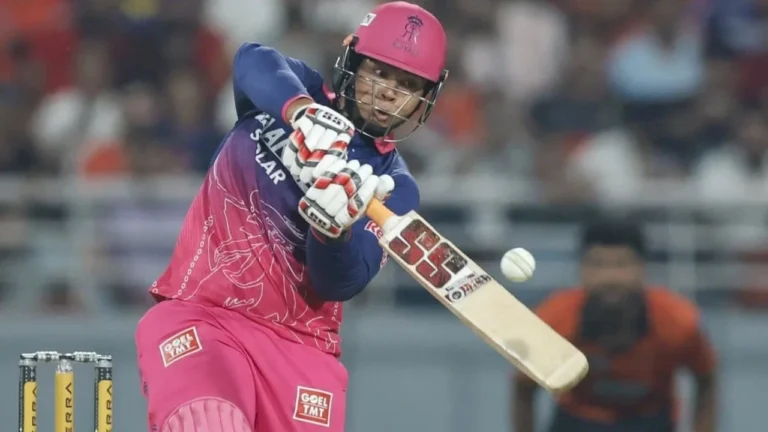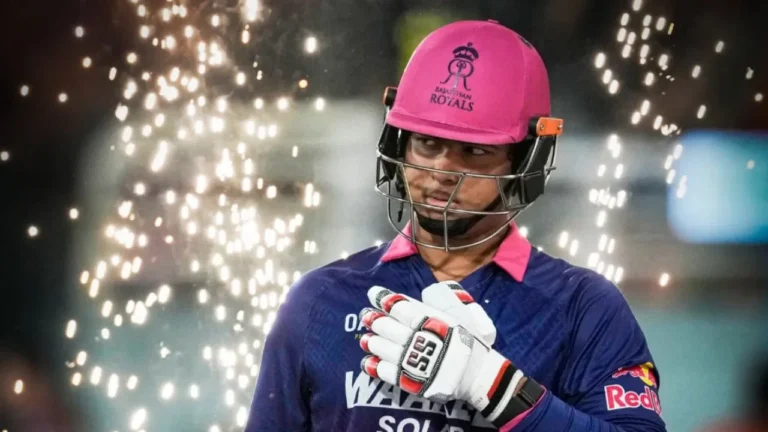
Cricket, a sport steeped in tradition, has experienced a seismic shift in its fundamental approach over the last three decades. At the heart of this evolution lies the batting strike rate, a statistic that has transcended its mere numerical value to become a symbol of modern cricket’s aggressive philosophy. Once a secondary concern, the strike rate now serves as a pivotal metric, influencing team strategies, player valuations, and the very spectacle of the game, particularly within dynamic tournaments like the Indian Premier League (IPL).
Contents
- 1 The Historical Trajectory of Batting Strike Rates
- 2 The Analytical Revolution: Data-Driven Cricket
- 3 Pioneers and Modern Architects of the Strike Rate Revolution
- 4 Technological Advancements: Empowering Aggression
- 5 The Evolving IPL Audience and Digital Engagement
- 6 Conclusion: A Sport in Constant Motion
The Historical Trajectory of Batting Strike Rates
The journey of batting strike rates offers a compelling narrative of cricket’s transformation. In the 1980s, the average batting strike rate hovered around a modest 66 runs per 100 balls. This era was characterized by a more cautious, defensive mindset, where wicket preservation and gradual accumulation of runs were paramount. Batters often played themselves in, aiming to build long innings rather than dominate from the outset. However, as the sport progressed into the 2010s, this average surged past 80, signaling a dramatic paradigm shift. Modern batting philosophies prioritize acceleration, proactive attacking intent, and relentless pressure on bowlers, a stark contrast to the patient approaches of yesteryear.
Transformation Across Formats
This aggressive transformation is not confined to limited-overs cricket; its influence is palpable across all formats of the game.
Test Cricket: A Surprising Surge in Tempo
Perhaps the most unexpected beneficiary of this shift has been Test cricket. Traditionally defined by patience, resilience, and grinding out draws, Test matches now exhibit a far more dynamic tempo. Teams are scoring at an accelerated pace, actively seeking to force results rather than settling for stalemates. Modern Test batters seamlessly blend traditional defensive techniques with audacious stroke play. Strike rates that once lingered in the low 40s have confidently crossed into the 50s, reflecting a significant tactical reorientation. The focus has shifted from mere survival to controlling momentum, creating opportunities, and dictating the pace of the game. This faster, more result-oriented approach has undeniably reinvigorated fan interest, making Test cricket a more entertaining and engaging spectacle.
One Day Internationals: The Pursuit of Scoring Efficiency
One Day International (ODI) cricket has undergone a gradual yet profound evolution into a format intrinsically built around scoring efficiency. Two decades ago, average ODI strike rates rarely climbed beyond the low 70s. Today, many leading teams consistently operate with strike rates above 90. The most significant tactical change has occurred in the middle overs. Where teams once cautiously preserved wickets for a furious assault in the final overs, modern sides now maintain an aggressive stance throughout the innings. This consistent attacking pressure on bowlers, from the opening ball to the death overs, has redefined game plans, influencing everything from team selection and batting orders to the intricate planning required for successful run chases.
T20 Cricket and the IPL: The Pinnacle of Power-Hitting
The advent of T20 cricket, spearheaded by the colossal success of the Indian Premier League (IPL), fundamentally transformed batting forever. In this format, strike rates exceeding 150 are now commonplace, almost a baseline for success. Innovative, audacious shots, once considered unconventional, have become standard repertoire for batters. T20 cricket fostered a culture of fearless batting, where players prioritize boundaries and rapid scoring over accumulating long innings. Concepts such as powerplay domination, where batters maximize fielding restrictions, and death-over acceleration, where every ball is targeted for maximum impact, are now central to modern cricket tactics. The IPL, in particular, has been a crucible for this evolution, with fans meticulously tracking strike rates, powerplay scores, and the finishing prowess of batters, keenly aware that the momentum of a match can swing dramatically within a few overs.
The Analytical Revolution: Data-Driven Cricket
Modern cricket is no longer driven purely by instinct; it is increasingly a science. Teams now rely heavily on sophisticated data analytics to dissect every facet of the game. This includes studying scoring zones, analyzing bowler-batter matchups, identifying specific batting trends, and predicting opposition strategies. This analytical approach has also profoundly impacted fan engagement. Modern cricket followers, especially those engrossed in the IPL, delve deep into player form, venue records, and strike rate patterns before every game, seeking insights that enhance their viewing experience. The rapid growth of digital platforms centered around cricket engagement underscores this shift, as fans demand deeper involvement with live match momentum and access to real-time statistics, making the game more interactive than ever before.
Pioneers and Modern Architects of the Strike Rate Revolution
Certain players, through their unparalleled skill and audacious approach, have served as catalysts for the strike rate revolution. Sir Vivian Richards, with his aggressive brand of cricket, played with a fearlessness that was decades ahead of its time. Later, AB de Villiers redefined modern batting with his extraordinary 360-degree stroke play, demonstrating that no part of the ground was safe. Today, players like Virat Kohli and Jos Buttler exemplify the modern batter, seamlessly combining consistency with explosive scoring, particularly in the high-pressure environment of IPL matches. Their ability to accelerate at will, find boundaries consistently, and maintain composure under immense pressure showcases the refined aggression that defines contemporary batting.
Technological Advancements: Empowering Aggression
Beyond individual talent, advancements in technology have played a crucial role in enabling faster scoring. The evolution of cricket equipment, including lightweight yet powerful bats, improved protective gear, and advanced training methodologies, empowers players to attack bowlers with greater confidence and reduced risk of injury. Furthermore, sophisticated technology like video analysis and performance tracking systems provides teams with invaluable insights, helping them identify opponent weaknesses and craft detailed batting plans. Even the Decision Review System (DRS) has indirectly contributed to more attacking cricket by increasing player confidence in their decisions, encouraging them to take more calculated risks.
The Evolving IPL Audience and Digital Engagement
The modern IPL audience has adapted alongside these profound changes in batting dynamics. Fans now arrive with heightened expectations for fast scoring, continuous action, and immersive, real-time match engagement. Platforms like the Fairplay app have become integral to this experience, offering cricket followers instant access to the live excitement of the IPL, fostering match interaction, and providing a fast-paced engagement throughout the duration of tournaments. This symbiotic relationship between evolving on-field play and sophisticated digital platforms ensures that the fan experience remains dynamic and captivating.
Conclusion: A Sport in Constant Motion
The relentless evolution of batting strike rates stands as a testament to cricket’s successful adaptation to the demands of modern entertainment while rigorously maintaining its competitive depth. From the calculated aggression witnessed in Test cricket to the tactical innovations in ODIs and the explosive scoring of T20s, batting tempo has been fundamentally reshaped across every format. Strike rates are no longer merely statistical figures; they encapsulate intent, reflect momentum, and symbolize the ever-changing philosophy of modern cricket. The remarkable journey from the cautious batting prevalent in the 1990s to the fearless, high-octane IPL era highlights a sport that not only continues to evolve but also keeps its global fanbase more engaged and thrilled than ever before.