IPL 2026: Three Captains Facing Axe After Disastrous Seasons
Contents
The High-Stakes Pressure of IPL Captaincy
The Indian Premier League (IPL) has always been a crucible where raw talent meets the immense pressure of global expectations. In the 2026 season, this reality has hit home harder than ever. While some leaders like Rajat Patidar, Shreyas Iyer, Shubham Gill, and Ishan Kishan have navigated the complexities of captaincy with aplomb, others have struggled to find their footing. As the league enters its final stages, the conversation has shifted from playoff permutations to the future of team management.
The Line of Fire: Who Could Be Replaced?
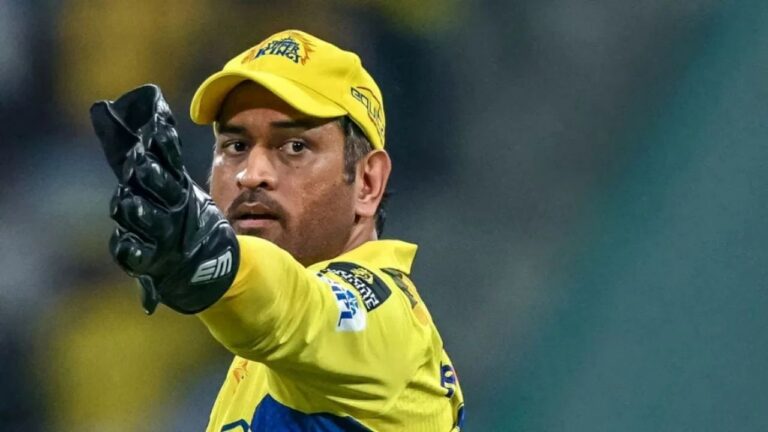
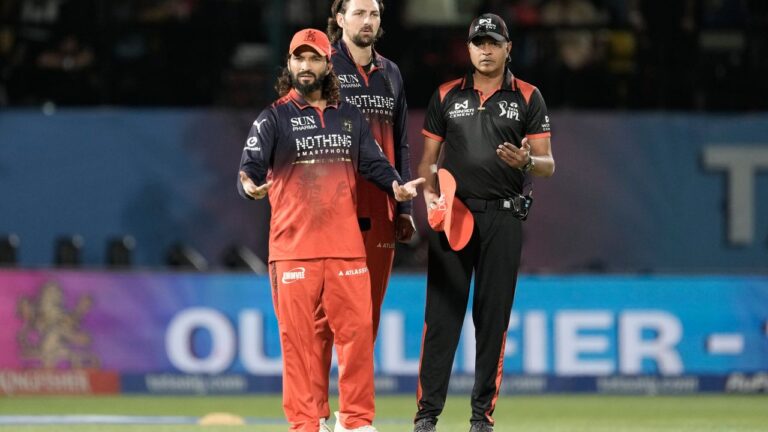
According to recent reports originating from PTI, the conclusion of IPL 2026 is set to trigger a significant restructuring at several franchises. While Mumbai Indians captain Hardik Pandya has faced significant public backlash following the team’s early exit, reports suggest that three specific names are currently at the center of internal discussions regarding leadership changes: Axar Patel, Rishabh Pant, and Ajinkya Rahane.
Sources tracking these developments note that these captains have been at the helm for two successive seasons without leading their respective sides into the playoffs, prompting franchises to reconsider their strategic direction.
Axar Patel and the Delhi Capitals Conundrum
The situation at the Delhi Capitals (DC) appears particularly precarious. The report highlights that Axar Patel’s tenure has been hampered by an perceived over-involvement of the coaching staff. With GMR at the helm, the influence of figures such as Hemang Badani and Venugopal Rao has reportedly overshadowed the captain’s own decision-making process.
The frustration was evident when Axar himself admitted the team’s impending exit well before it was mathematically confirmed. Industry insiders suggest that unless a drastic change occurs, it is highly unlikely that he will retain the captaincy for the next cycle. Furthermore, the entire coaching staff may face a complete overhaul, reflecting the franchise’s two-year management rotation policy between GMR and JSW.
Ajinkya Rahane: A Victim of Consistency?
Perhaps the most complex case is that of Ajinkya Rahane. Statistically, Rahane has provided a semblance of stability, performing adequately both as a batter—scoring 237 runs with a high score of 67—and as a leader. KKR managed to string together four victories in 11 outings after a sluggish start to the season.
However, the nature of the IPL is unforgiving. Should KKR fail to reach the playoffs, it will mark the second consecutive year of underperformance under Rahane’s leadership. Having stepped into the role as a make-shift captain, the pressure to deliver results has left the veteran campaigner in a difficult position. With crucial matches remaining against Gujarat Titans, Mumbai Indians, and Delhi Capitals, Rahane’s future rests entirely on a miraculous turnaround in the final league fixtures.
The Broader Impact on Team Leadership
The IPL 2026 season has served as a brutal reminder that captaincy in the modern game requires more than just individual form; it demands an ability to foster synergy between players and management. When that synergy breaks down, as witnessed in multiple camps this year, the first change is almost always at the leadership level.
As the tournament winds up later this month, all eyes will be on the boardrooms. Whether these three captains continue to lead their teams or are replaced by new faces will define the narrative heading into the next mega-auction and recruitment cycle. For now, the players must focus on their remaining games, though the shadow of the upcoming review process looms large over their performances.

Related Articles