Jofra Archer Unfazed by Backlash Over IPL 2026 Participation
Contents
The Balancing Act: Archer in the Eye of the Storm
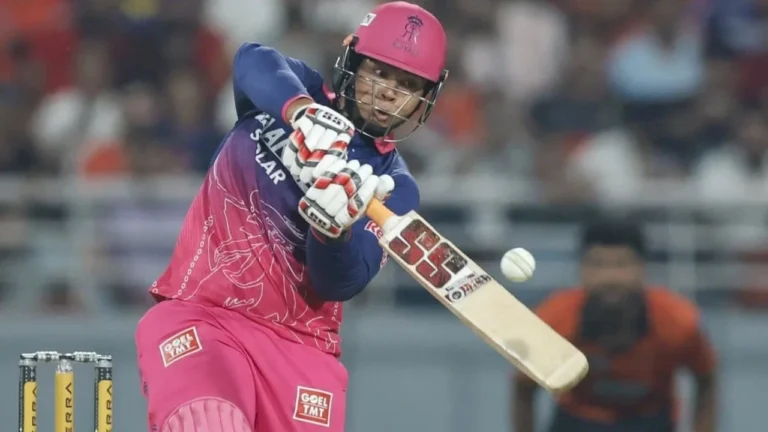
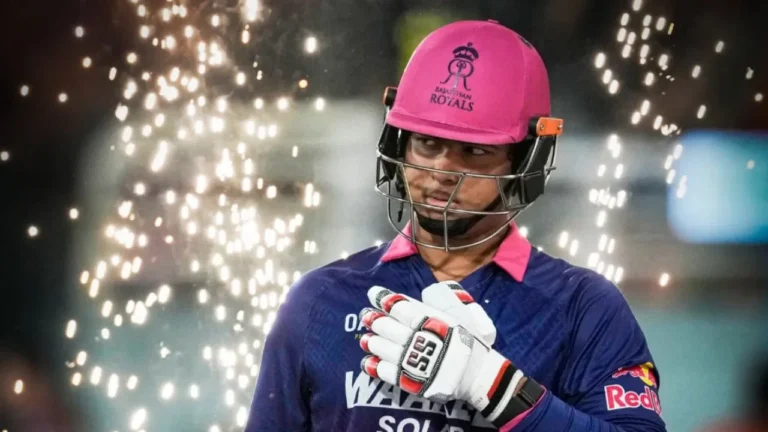
In the high-stakes world of professional cricket, few players find themselves at the center of a debate as polarizing as Jofra Archer. Currently plying his trade with the Rajasthan Royals in IPL 2026, the pacer has faced significant scrutiny for choosing to remain in India rather than joining the England squad for the upcoming Test series against New Zealand. While pundits and former greats weigh in on the sanctity of international contracts, those closest to Archer suggest he has turned a blind eye to the drama.
The Criticism: A Clash of Priorities
The decision to skip the Test match at Lord’s, starting June 4, has drawn sharp rebukes from high-profile voices in the English game. Former captains and stalwarts including Michael Vaughan, Michael Atherton, and Mark Butcher have expressed deep concern over the precedent being set. Michael Vaughan, speaking on Cricbuzz, questioned the nature of England’s contracts with the BCCI, arguing that international duties should always supersede franchise commitments. His sentiment was echoed by Mark Butcher, who expressed disbelief on the Wisden Cricket Weekly Podcast, stating that the current arrangement of resting players from Test matches to manage workloads caused by franchise cricket feels entirely inverted.
Michael Atherton provided a more nuanced perspective on the Sky Sports Cricket Podcast, acknowledging the physical toll of the IPL’s white-ball format but lamenting the frustration felt by England supporters. For critics, the central contract is intended to manage a player’s readiness for England, and Archer’s absence suggests a breakdown in that foundational agreement.
Rajasthan Royals Stand Firm
Behind the scenes, however, the narrative is vastly different. Rajasthan Royals assistant coach Trevor Penny recently addressed the media in Mumbai ahead of their crucial league stage encounter against the Mumbai Indians. Penny dismissed the notion that the public backlash has affected Archer’s performance or mindset.
“It doesn’t matter to him,” Penny remarked. “If you stay back here, you annoy people in England, and if you go back, you are in danger of never playing in the IPL again, so be it.” The RR camp’s position highlights the increasingly difficult landscape for international players navigating the tension between national duty and the lucrative, high-pressure world of the IPL.
The Stakes for RR in IPL 2026
Archer’s commitment to the Rajasthan Royals is backed by impressive statistics. With 18 wickets in 13 matches, he currently stands as the franchise’s highest wicket-taker this season. Maintaining an average of 24.38, he has been a pivotal component of the Royals’ bowling attack. This dedication is not just about personal form but about the team’s survival in the competition.
The equation for the Rajasthan Royals is simple yet daunting. They are the only team among the mid-table contenders with their fate entirely in their own hands. A victory against the Mumbai Indians on Sunday will secure their place in the IPL 2026 playoffs. Should they falter, they face a nervous wait on the results of other matches, including the clash between the Punjab Kings and the Lucknow Super Giants.
The Regulatory Landscape
The tension surrounding player availability is compounded by recent regulatory changes. Prior to the 2025 season, the BCCI implemented a strict policy: overseas players who withdraw from the IPL without legitimate injury-related reasons face a two-year ban. This rule has fundamentally shifted the bargaining power, making the choice for players like Archer not just a matter of preference, but a strategic career decision.
As the tournament reaches its business end, Jofra Archer’s focus remains singular. While the cricket world debates the ethics of international contracts, the fast bowler is focused on his role as a key catalyst for a potential Royals championship run. Whether or not he wins over his critics remains to be seen, but for now, his performance on the field speaks louder than the commentary box.

Related Articles